
By Colorado Springs Oral and Facial Surgery
Gaps left by lost teeth will detract from your smile. Many Americans have at least one missing tooth, lost to decay, trauma or gum disease. It might surprise you to learn that more than 50 percent of Americans aged 20-64 have lost at least one permanent tooth in their lifetime. According to the Centers for Disease Control and Prevention, more than 20 percent of adults over the age of 65 have lost all of their teeth. Missing teeth impacts many Americans, but the good news is that there is a viable, durable solution.
Fortunately, dental implants offer a good alternative for many people. You don't have to live with missing teeth. Implants offer a long-tern solution that looks and feels perfectly natural. Many patients say they forget the implant isn't one of their natural teeth.
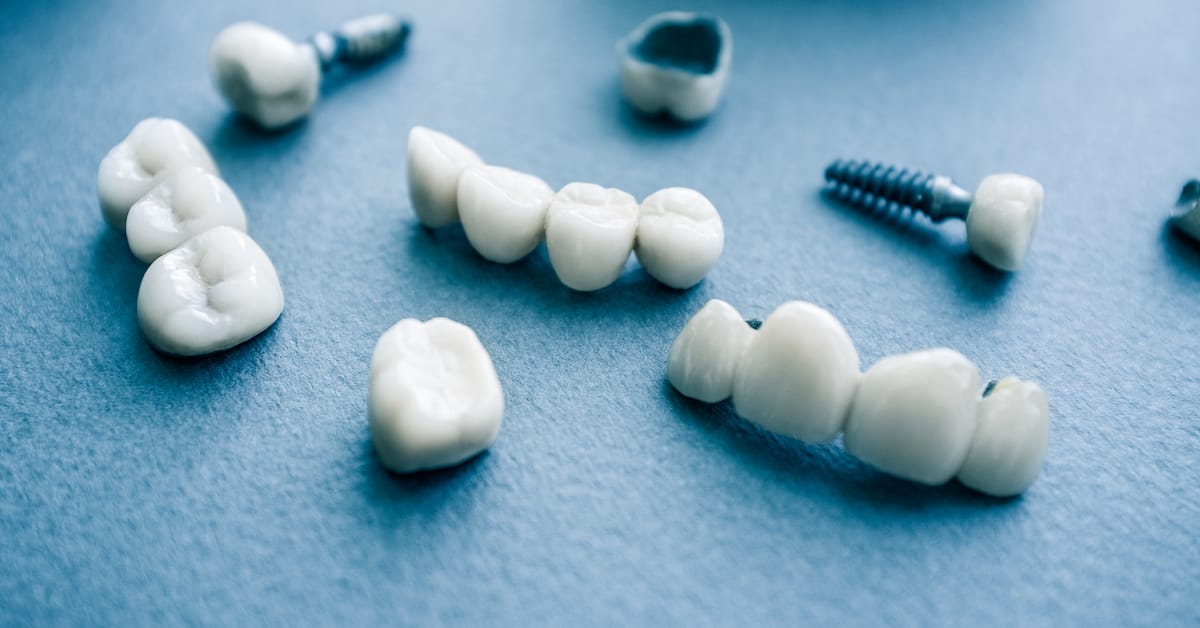
A dental implant contains three parts:
Dental implants have an artificial tooth attached to the post, so they work the same as natural teeth. You brush and floss as normal, meaning they do not require special care beyond good dental hygiene. Dentists say they are the closest thing to a natural tooth that is available today.
You can lose tooth-supporting bone when you have gum disease or if you've had missing teeth for a long time. Bone that you'll need to hold the implant can be replaced using a bone graft. It's a simple procedure you can have done at a dentist's office. He or she will use your own bone, donor bone or synthetic bone material to replace the missing bone. Once the graft heals in a few months, your dentist can go ahead with the implant procedure.
Depending on your unique circumstances, and whether you need a tooth removed first or a bone graft, the procedure can take months or even close to a year if extensive work is needed. Your dentist will give you an estimate of how long your dental implant will take during your initial consultation.
There are three basic steps to getting endosteal implants placed:
The implant goes into your jawbone, where the bone will grow around it, creating a strong base. It may take several months for the bone to close around the implant and heal properly.
Your dentist exposes the top of the implant by cutting your gum. The abutment goes on top of the implant. Your dentist may combine this part with the first step, although some people dislike the abutment showing above the gum.
In a few weeks, the gum closes around the implant. During this time, your dentist will take impressions so the dental lab can fabricate a custom crown for you. The final step is cementing the crown to the abutment.
We won't lie; there may be some discomfort afterward, but you shouldn’t have any during the procedure. The next day, you should be able to go about your normal activities. Naturally, every patient is different. However, there are no nerves to avoid or extensive incisions to make to install your implant, so you shouldn't experience too much pain. If you've ever had a tooth extracted, the pain is similar. Your dental professional will provide you with aftercare instructions.
Strength: Implants can sometimes be stronger than natural teeth and other replacement devices, depending on the condition of your teeth or device, so you won't have to worry about biting into your favorite foods.
Better Quality of Life: Dentures can slip when you eat, speak or laugh. Your dental implants will never embarrass you and can even help you speak more clearly in certain circumstances.
Long-Term Value: Implants easily last 20 years or more. You also won't have to buy denture adhesive anymore.
Implants Can Prevent Bone Deterioration: Since the implant will stimulate your jawbone like a tooth root, you shouldn't experience bone loss at the implant site.
Optimal Dental Health: Unlike traditional bridges, dental implants do not use neighboring teeth for support, which may weaken the teeth.
Implants Are Not for Every Patient: If you have a child with a missing tooth, they cannot replace it with an implant until they reach a certain age and their jawbone stops growing. Additionally, some patients are poor candidates for implants because of health conditions or lifestyle risk factors.
High Initial Cost: Implants cost more than a partial denture or a bridge initially. However, an implant can last 20 years or more, while dentures and bridges last about five to ten years. Your insurance may not pay for an implant, but most dentists offer financing options.
Implants Require Surgery: While implant surgery is one of the most predictable surgeries, there is always a risk of infection or other complications.
Most dental implant procedures are done under local anesthesia, often by a local dentist with additional training in dental implants. Ask your local dentist about his or her training and experience with implants so you can have the procedure completed by someone you know and trust.
Feel free to ask your dentist at our practice about his or her experience with implants. Contact us using our online form for a consultation or call us. We would like to hear from you so we can explain how we can replace a missing tooth or teeth with what we believe is an ideal option for many of our patients.